April 22, 2026
Modern neighborhoods depend on safe and consistent electrical systems to support daily life, from lighting and heating to essential appliances and business operations. When something goes wrong, property owners need dependable expertise that can restore function quickly while maintaining safety standards. This is where the role of a local certified electrician becomes essential, providing qualified support that aligns with both technical requirements and community expectations.
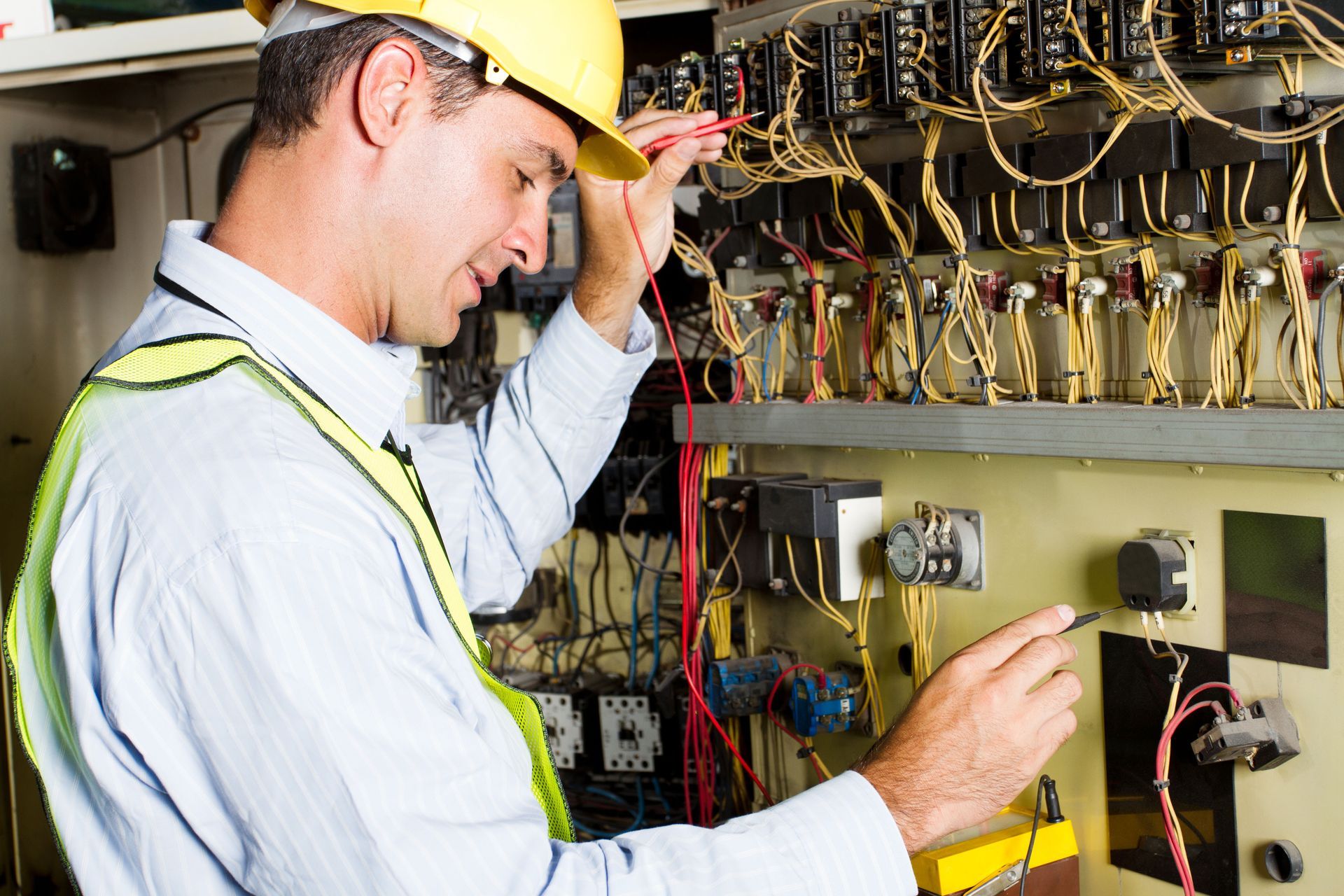
Electrical systems are more complex than they appear on the surface. Behind every switch, outlet, and panel is a network that must be installed and maintained with precision. When handled correctly, these systems operate quietly and reliably for years. When handled incorrectly, they can create hazards that disrupt homes, businesses, and public infrastructure. A certified electrician offers the training, accountability, and hands-on experience needed to manage these systems properly within modern communities.
In areas where residential development and commercial growth continue to expand, demand for qualified electrical work has increased significantly. Communities benefit most when professionals are not only licensed but also familiar with regional building practices and expectations. That combination of certification and local experience ensures electrical systems remain safe, compliant, and efficient over the long term.
The Foundation of Safe Electrical Work in Modern Communities
Training and Credentialing Standards
A strong electrical system begins with proper training and verified credentials. Most professionals in the field undergo structured education and supervised hands-on work before they are fully qualified to operate independently. According to Data USA, the most commonly earned credential among electrician program graduates is a postsecondary certificate, which typically requires one to two years of focused study and practical training.
This type of preparation ensures that electricians understand electrical theory, system design, wiring methods, and safety regulations before working in real-world environments. A local certified electrician builds on this foundation through ongoing field experience, applying technical knowledge to a wide range of residential and commercial scenarios. That combination of formal education and applied skill is essential for reducing risk and maintaining consistent performance in modern electrical systems.
Communities rely on this level of preparation because electrical work is not static. Building codes evolve, materials change, and installation methods are refined over time. Certified professionals are expected to stay current with these changes, ensuring their work aligns with safety requirements and industry standards. Without this baseline of training and certification, electrical systems would be far more vulnerable to errors, inefficiency, and long-term damage.
Why Local Expertise Matters
Electrical systems are influenced by regional construction practices, climate conditions, and infrastructure design. A local certified electrician brings familiarity with these factors, allowing them to anticipate challenges that may not be obvious to outside contractors. This local awareness helps streamline diagnostics, improve installation quality, and reduce delays during repair work.
In many communities, older homes are integrated with newer developments, creating a wide range of system types and configurations. A professional who regularly works within the same area is better equipped to recognize common wiring layouts, recurring issues, and code enforcement expectations. This familiarity improves accuracy and efficiency when performing repairs or upgrades.
Local expertise also supports stronger communication with property owners. When electricians understand the typical concerns and expectations within a community, they can provide clearer explanations and more practical recommendations. This leads to better decision-making and more reliable long-term outcomes for homeowners and businesses alike.
The Reliability and Responsiveness of Community Electrical Services
Emergency Support and Rapid Response
Electrical issues often arise without warning, creating immediate risks to safety and property function. Power interruptions, faulty wiring, or malfunctioning panels can disrupt daily operations and require urgent attention. A local certified electrician is positioned to respond quickly to these situations due to their proximity and established service area coverage.
Rapid response is especially important when electrical issues involve potential hazards such as overheating circuits or exposed wiring. In these cases, timely intervention helps prevent further damage and reduces the risk of fire or system failure. Communities benefit when qualified professionals are available to address these problems without unnecessary delays.
In addition to emergency response, reliable electricians also help property owners understand the cause of the issue. This diagnostic approach ensures that repairs address the root problem rather than just the visible symptoms, improving long-term system stability and reducing repeat failures.
Preventing Common Electrical Failures
Many electrical problems develop gradually over time due to wear, outdated components, or improper installation. A local certified electrician plays a key role in identifying these issues early through inspections and routine maintenance. By addressing small concerns before they escalate, property owners can avoid costly repairs and unexpected disruptions.
Common issues such as faulty outlets, unstable light switches, or overloaded circuits often indicate deeper system concerns. When these warning signs are ignored, they can lead to more serious failures that affect multiple areas of a property. Preventive work helps ensure that systems remain stable under regular usage conditions.
Preventive maintenance also extends the lifespan of electrical systems. By replacing worn components and reinforcing weak points, electricians help reduce strain on the overall system. This approach improves efficiency and supports consistent performance across both residential and commercial properties.
The Long-Term Value and Safety Benefits for Property Owners
System Longevity and Maintenance Planning
Electrical systems represent a long-term investment in any property. Proper installation and ongoing maintenance determine how well these systems perform over time. A local certified electrician helps property owners develop maintenance plans that support system longevity and reduce the likelihood of major failures.
Regular inspections allow electricians to identify wear and inefficiencies before they become serious problems. This proactive approach ensures that systems continue to function reliably even as they age. It also helps property owners budget for necessary upgrades in a controlled and predictable manner.
Over time, well-maintained electrical systems require fewer emergency repairs and experience fewer disruptions. This stability is particularly important for businesses that rely on uninterrupted power for daily operations, as well as homeowners who depend on consistent service for comfort and safety.
Reducing Risk Through Professional Oversight
Electrical systems carry inherent risks when they are not properly maintained or installed. Professional oversight helps minimize these risks by ensuring that every component is evaluated and handled correctly. A local certified electrician provides this oversight through structured diagnostics, repair procedures, and safety testing.
Risk reduction extends beyond immediate hazards. Poor electrical work can also lead to long-term inefficiencies, increased energy strain, and repeated system failures. By maintaining oversight throughout installation and repair processes, certified professionals help prevent these issues from developing.
In modern communities, where electrical demand continues to grow, professional oversight is essential for maintaining safety standards across all types of properties. This ensures that residential and commercial environments remain secure, functional, and reliable.
Modern communities depend on safe, reliable, and well-maintained electrical systems to support everyday life and long-term development. From emergency response to preventive maintenance, the role of a local certified electrician is central to ensuring these systems operate as intended. Their training, accountability, and local expertise provide a foundation for consistent performance across residential and commercial properties.
As electrical systems continue to evolve in complexity and scale, the need for qualified professionals becomes even more important. By relying on certified expertise, property owners can protect their investments, improve safety, and maintain dependable electrical performance for years to come. If you're looking for a professionally certified electrician in your area, contact Black Ink Electric today!